
The 7th Mangan Taku Just Wrapped in Baguio City. Here Is Why Cordillera's Annual Heritage Food Fair Has Become Northern Luzon's Most Important Culinary Event.
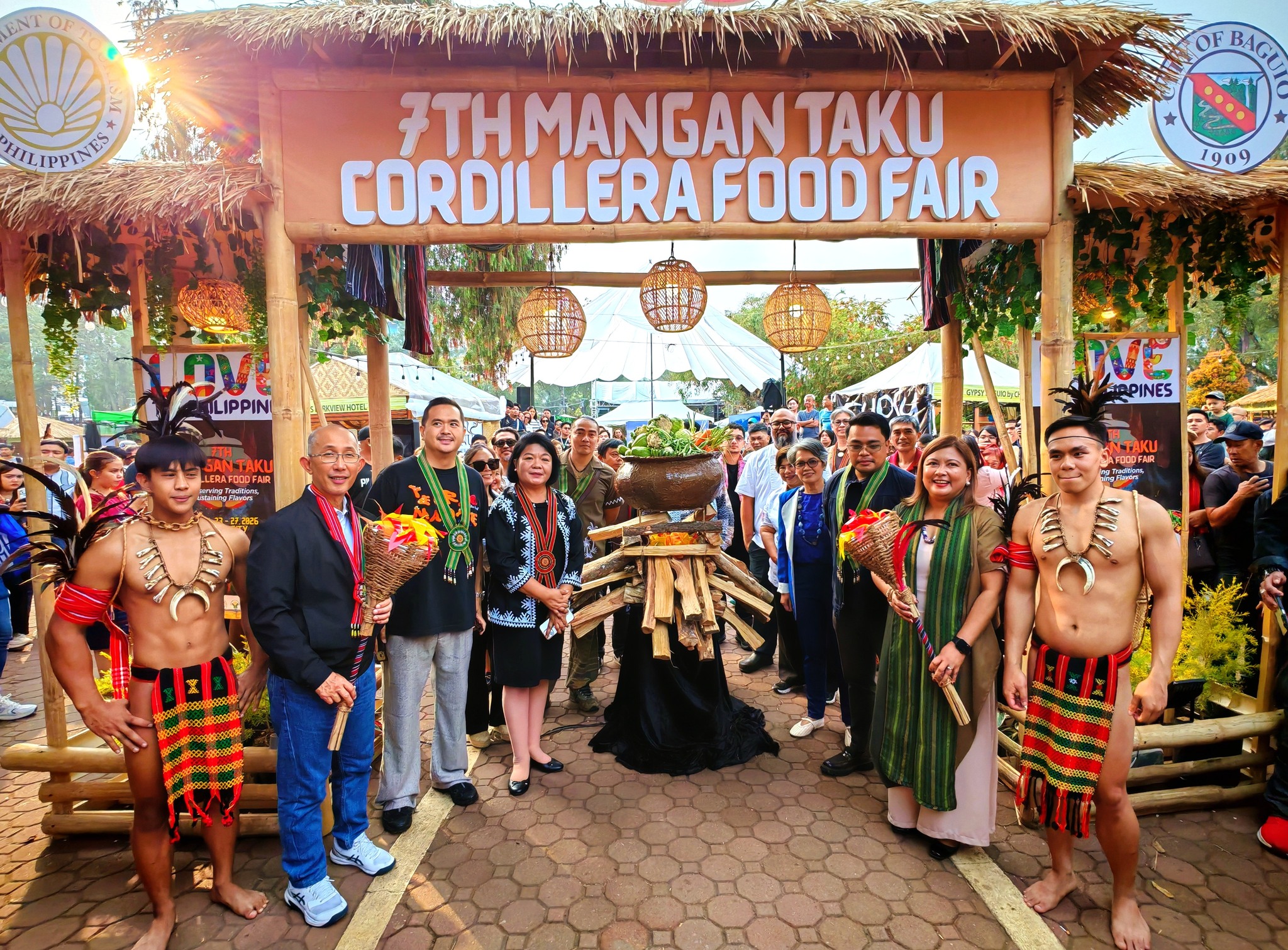
The 7th Mangan Taku Cordillera Food Fair ran from April 23 to 27, 2026, at Burnham Park's Rose Garden, Baguio City, drawing 46 exhibitors from all six Cordilleran provinces and Regions I and II under the theme "Preserving traditions, sustaining flavors."
 Featured Partner
Inv8 Studio
Innovation Partner for Startups & Growing Businesses
Mangan Taku means "Let's eat together" in the Ibaloi language. That invitation, now in its seventh year, opened formally at the Rose Garden in Burnham Park, Baguio City, on April 23, 2026, and ran through April 27, with 46 exhibitors, three of the Philippines' most recognized chefs, and representatives from all six Cordilleran provinces alongside delegates from Ilocos Region and Cagayan Valley. Timed to Filipino Food Month, the fair drew its largest and most geographically diverse gathering since it launched in 2019.
This is not a trade fair that grew a cultural wrapper. It is a cultural event that learned to function as a market platform, and that distinction is what makes it significant for food producers, entrepreneurs, and culinary advocates across Northern Luzon.
Seven Years of Building Something Real
Mangan Taku launched in 2019 at the initiative of DOT-CAR, organized alongside the Department of Agriculture, DTI, and the Baguio City Government. It was institutionalized through Baguio City Council Ordinance and formalized regionally through RDC-CAR Resolution No. 42, giving it a permanent institutional home that most food festivals in the Philippines lack.
The fair has grown steadily. Last year's 6th edition featured 38 exhibitors across the six Cordilleran provinces. This year's edition added eight more and expanded geographic representation to include delegates from Regions I and II, making 2026 the year Mangan Taku formally became a Northern Luzon culinary platform rather than a Cordillera-only event. DOT-CAR Regional Director Jovita A. Ganongan, who led the opening ceremonies, framed it clearly: "Tourism connects people, supports communities, and keeps traditions alive."

What Mangan Taku Put on the Table
Cordilleran cuisine is among the most misunderstood food traditions in the Philippines. Outside the highland provinces, dishes like pinikpikan, etag, tapey, pinuneg, and mountain rice preparations are known by reputation but rarely experienced as they were meant to be. Mangan Taku has consistently served as the most accessible single point of entry for visitors who want to understand what Cordilleran food actually is, prepared by the communities that created it.
This year's chefs' demonstration brought three nationally recognized practitioners of Philippine culinary heritage into that conversation. Chef Bong Sagmit is among the country's leading advocates for indigenous and regional Philippine cuisine in fine dining contexts. Chef Waya Araos-Wijangco has built a career around celebrating Philippine food traditions with contemporary technique. Chef Dedet De La Fuente, the Lechon Diva and founder of Pepita's Kitchen, became the first Filipino to hold a dedicated restaurant space on the Las Vegas Strip and has been among the country's most visible advocates for what Filipino food can become when Filipinos take it seriously.
Having all three at Mangan Taku was not symbolic programming. It was a statement about where Cordilleran cuisine belongs in the national and international conversation.
The Economic Layer
The 46 exhibitors who participated were not only performing heritage. They were selling products, making connections with buyers and fellow producers, and testing market reception in front of consumers from Baguio City and across Northern Luzon. For small-scale food producers and MSMEs from Abra, Apayao, Benguet, Ifugao, Kalinga, and Mountain Province, the fair provided direct buyer access that Manila trade fair costs make structurally difficult to replicate.
The participation of Region I and Region II delegates deepened this further. A food producer from Ilocos Sur and one from Cagayan Valley sharing exhibition floor with Cordilleran producers created Northern Luzon supply chain conversations, cross-regional flavor introductions, and peer learning about what sells that no formal programme can engineer artificially.
What This Means for Northern Luzon
Mangan Taku is seven years old and still growing. It has institutional backing, a permanent ordinance, annual multi-agency support from DOT-CAR, DA-CAR, DTI-CAR, TESDA-CAR, and the Baguio City Government, and enough national culinary and media interest to sustain relevance well beyond its local audience. The expansion to inter-regional participation in 2026 is the clearest signal yet that it is becoming a Northern Luzon institution, not just a Cordilleran one.
For food entrepreneurs, cultural advocates, and tourism operators across the region who missed this year's edition: mark April 2027 on your calendar. Mangan Taku will be back.
Original Source:
Market Context:
Mangan Taku was institutionalized in 2019 through Baguio City Council Ordinance and RDC-CAR Resolution No. 42, making it one of the few regional food festivals in the Philippines with a formal legislative mandate and permanent institutional backing. Chef Dedet De La Fuente, who participated in this year's chefs' demonstration, became the first Filipino to hold a dedicated restaurant space on the Las Vegas Strip at Resort's World casino in 2023, and represented Philippine culinary heritage at a Filipino Food Month luncheon in Singapore in April 2026. The 6th Mangan Taku in 2025 featured 38 exhibitors representing all six Cordilleran provinces, up from the inaugural edition in 2019, which DOT-CAR organized with DA-CAR, DTI-CAR, and the Baguio City Government at the Rose Garden, Burnham Park. Baguio City is targeting sustained growth in culinary tourism as part of its smart city and UGNAYAN 2030 strategy, with gastronomy increasingly positioned as a distinct pillar of the city's visitor economy alongside heritage, nature, and wellness.
Are you a founder, innovator, or community builder in Northern Luzon?
We're always looking for compelling stories from the region's ecosystem. Whether you're launching a startup, running a program, or doing something interesting — we'd love to feature you.