
DOST-CAR Brings Electric Public Transport to Apayao Through MOVE Program
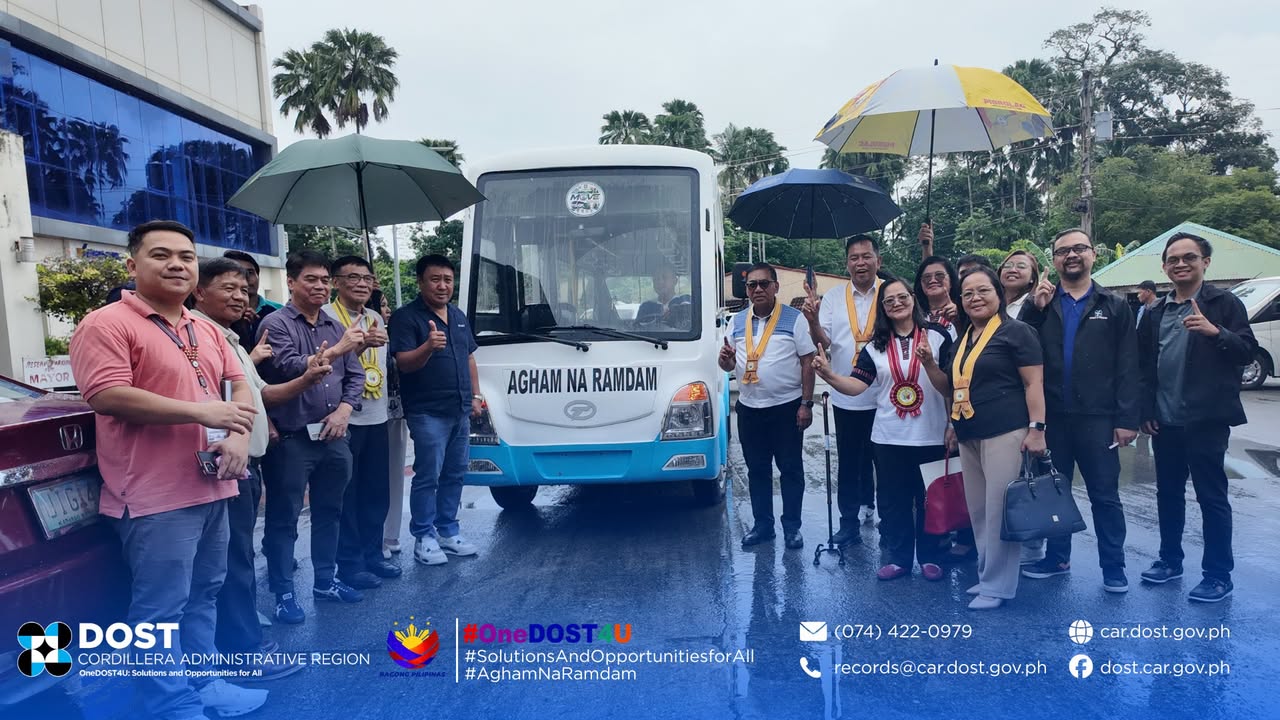
A new electric mobility initiative is taking shape in Apayao as DOST-CAR introduced the MOVE Apayao program and blessed its first e-jeepney and convertible tricycle units on September 8. The initiative brings Filipino-developed electric vehicle technologies to the province while exploring how cleaner and more efficient public transportation can work in a local setting.
 Featured Partner
Inv8 Studio
Innovation Partner for Startups & Growing Businesses
A Different Kind of Ride for Apayao
In Luna, Apayao, the future of public transportation took a short demonstration ride this week.
The Department of Science and Technology–Cordillera Administrative Region (DOST-CAR) held the pre-launching and blessing of the MOVE Apayao electric jeepney and convertible tricycle units on September 8 at the Apayao State College (ASC) Luna Campus.
The activity introduced the Smart Mobility for Viable, Efficient, and Cleaner Modes of Transportation (MOVE) Apayao Program, a DOST science and technology intervention focused on sustainable and modernized public transportation in the province.
The event brought together officials from national, regional, provincial, and local government, along with representatives from the academe, transport sector, communities, and project partners.
Bringing Filipino-Developed Technology to the Province
At the center of the initiative are two technologies: the TOJO Mandaragit X-Elite e-jeepney and the C-Trike, developed in collaboration with Cagayan State University (CSU).
The technologies are being implemented under DOST’s Grants-in-Aid Research and Development Results Utilization (GIA-RDRU) portfolio.
Their introduction in Apayao is significant not only because of the shift toward electric mobility, but also because it demonstrates how technologies developed through Philippine research and engineering can be brought into communities for actual use.
The transition from a developed technology to a vehicle operating on local roads is an important step in that process.
The Technology Has to Work in the Real World
The launch included a demonstration tour around Luna, following a route from Apayao State College to the Luna Municipal Hall.
That may seem like a simple part of the program, but demonstrations such as this provide an opportunity to see how a technology performs outside the laboratory.
Electric mobility has to account for the realities of its users and operators—from routes and operating conditions to charging, maintenance, driver familiarity, and passenger needs.
The MOVE Apayao initiative therefore provides a setting where technology and local transportation requirements can meet.
A Digital Layer to Smart Mobility
The program also featured the presentation of the MOVE Apayao mobile application, adding a digital component to the transportation initiative.
While the supplied information does not specify the full functions of the application, its inclusion points to a broader direction for smart mobility: transportation can increasingly combine physical infrastructure and vehicles with digital systems.
For technology developers and startups, mobility presents a range of potential problems to solve—from route management and fleet monitoring to passenger information and operational efficiency.
The important question is not simply whether technology can be introduced, but whether it can improve the transportation experience for the people who depend on it.
Beyond the Launch
The work did not end with the ribbon-untying and vehicle blessing.
Following the activity, a monitoring and evaluation session was conducted with the Philippine Council for Industry, Energy and Emerging Technology Research and Development (DOST-PCIEERD).
The team also traveled aboard the e-jeepney to visit DOST-funded projects in Pudtol and Luna.
These activities suggest that the initiative is being treated as an ongoing technology intervention rather than a one-day showcase.
The units are also scheduled for their formal launch during the Regional Science and Technology Week on November 5–7.
What This Means for Northern Luzon
MOVE Apayao adds another example of how Northern Luzon can serve as a setting for locally relevant technology applications.
The region faces transportation challenges that vary considerably across urban centers, municipalities, and geographically isolated communities. Solutions therefore need to consider local conditions rather than rely solely on models developed for larger cities.
For the innovation ecosystem, this creates an interesting pathway:
Research → Technology Development → Local Testing → Adoption → Improvement
Universities and research institutions can develop technologies. Government can help create opportunities for deployment. Transport operators and communities can provide real-world feedback. Entrepreneurs and technology companies can then identify opportunities to improve or scale solutions.
That feedback loop is essential to innovation.
The Bigger Opportunity in Electric Mobility
The MOVE Apayao program also illustrates why the transition to electric transportation is bigger than replacing one type of vehicle with another.
It involves an ecosystem of vehicle technology, energy, infrastructure, digital systems, operators, manufacturers, researchers, and users.
For Northern Luzon, developing that ecosystem could eventually create opportunities not only in transportation services but also in maintenance, components, software, charging infrastructure, and other supporting industries.
Those opportunities will depend on how the technology performs in actual communities and how effectively local stakeholders can support its continued use.
From Demonstration to Adoption
For now, MOVE Apayao represents an important stage in bringing electric mobility technology closer to everyday transportation in the province.
The real test will come as the technology moves from demonstration to sustained operation.
If the vehicles can respond effectively to local transportation needs, the experience can provide useful lessons for future deployments.
That is ultimately where the value of a technology intervention is measured—not simply by how advanced the technology is, but by whether it can work for the people and communities it is designed to serve.
Original Source
Market Context
Electric mobility is becoming an important area of technology development as communities explore cleaner and more efficient transportation options. For Northern Luzon, local deployment can provide opportunities to test technologies under different geographic and operational conditions while generating practical feedback from drivers, operators, passengers, and local governments.
The broader innovation opportunity extends beyond the vehicles themselves. Electric mobility can create demand for supporting technologies, services, infrastructure, software, maintenance, and local technical capabilities. The experience of MOVE Apayao can therefore contribute not only to transportation modernization but also to the development of a wider regional ecosystem around smart and sustainable mobility.
Are you a founder, innovator, or community builder in Northern Luzon?
We're always looking for compelling stories from the region's ecosystem. Whether you're launching a startup, running a program, or doing something interesting — we'd love to feature you.