
DOST Launches First Bamboo Textile Fiber Innovation Hub in Ilocos Norte
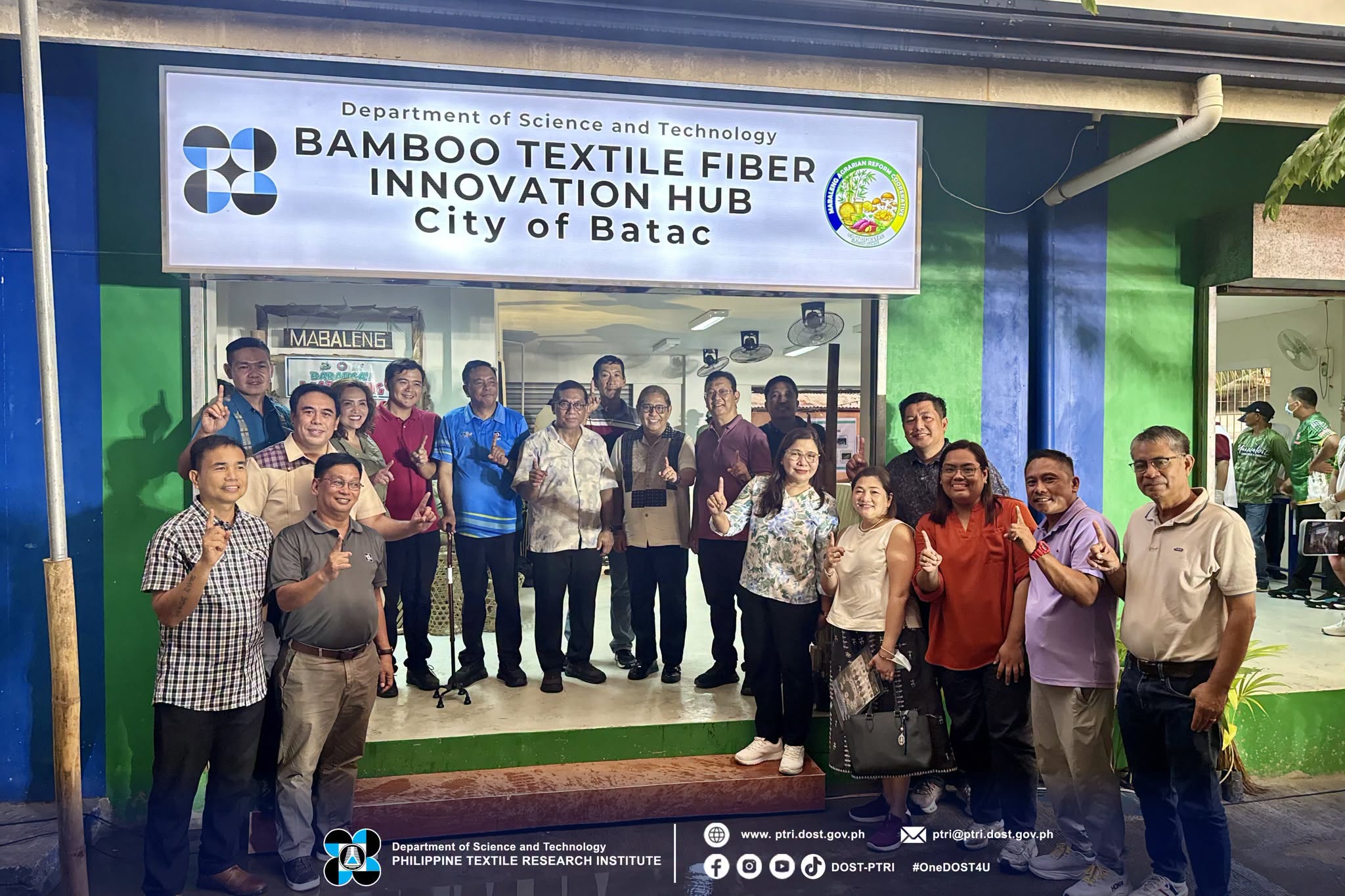
The first Bamboo Textile Fiber Innovation Hub in Ilocos Norte has officially opened in Batac City, bringing DOST-developed bamboo textile technologies closer to local communities. The new facility strengthens the region’s sustainable textile value chain by enabling bamboo fiber production, supporting community livelihoods, and creating new opportunities for innovation-driven manufacturing in Northern Luzon.
 Featured Partner
Inv8 Studio
Innovation Partner for Startups & Growing Businesses
BATAC CITY, Ilocos Norte — Northern Luzon has taken another step toward building a more sustainable and innovation-driven textile industry with the launch of the first Bamboo Textile Fiber Innovation Hub (BTFIH) in Ilocos Norte.
Located in Barangay Mabaleng, Batac City, the new facility aims to transform locally grown bamboo into textile fibers while creating new livelihood opportunities, strengthening the regional textile value chain, and supporting the country’s growing sustainable manufacturing sector.
The initiative is a collaboration between the Department of Science and Technology – Philippine Textile Research Institute (DOST-PTRI), DOST Regional Office I, the City Government of Batac, and the Mabaleng Agrarian Reform Cooperative (MACMA).
Bringing Textile Innovation Closer to Communities
Rather than concentrating advanced textile technologies in research institutions alone, the Bamboo Textile Fiber Innovation Hub brings research, technology transfer, and production capabilities directly to local communities.
The hub enables cooperative members and local stakeholders to produce bamboo textile fibers using technologies developed by DOST-PTRI. These fibers will then be processed into yarn at the RYPIC Processing Center in Ilocos Norte, creating a more integrated regional textile supply chain.
By connecting fiber production and yarn processing within the province, the initiative seeks to generate greater value from locally available bamboo resources while opening new opportunities for rural enterprises and community-based manufacturing.
Building a Sustainable Textile Value Chain
Bamboo has emerged as one of the country’s promising sustainable raw materials due to its rapid growth, renewability, and versatility.
The establishment of the Bamboo Textile Fiber Innovation Hub represents more than the launch of a new facility. It is part of a broader effort to develop a Philippine textile industry that relies more on locally sourced natural fibers while reducing dependence on imported materials.
For Ilocos Norte, the project creates opportunities not only for bamboo growers but also for cooperatives, processors, manufacturers, and entrepreneurs who can participate in different stages of the textile value chain.
National and Local Leaders Support the Initiative
The launch brought together national and local government leaders, research institutions, and community organizations committed to advancing textile innovation in the Philippines.
Among those present were:
DOST Secretary Renato U. Solidum Jr.
Ilocos Norte Second District Representative Angelo Marcos Barba
DOST Assistant Secretary Ana Carmela Ventura-Remigio
Batac City Mayor Mark Christian “Markee” R. Chua
Barangay Captain Jonathan Laud
MACMA President Wilbert Lagmay
Officials from DOST, local government units, cooperative members, and community stakeholders
Their participation underscores the collaborative approach needed to develop new innovation-driven industries that create both economic opportunities and environmental benefits.
Why It Matters
While startups often dominate conversations about innovation, manufacturing and materials science remain equally important drivers of regional development.
The Bamboo Textile Fiber Innovation Hub demonstrates how research institutions, local governments, and community cooperatives can work together to transform scientific research into industries that generate jobs, strengthen local supply chains, and increase the value of agricultural resources.
For Northern Luzon, where bamboo is abundant and agriculture remains a major economic sector, the initiative opens new possibilities for sustainable manufacturing and rural enterprise development.
As the Philippines continues investing in homegrown textile innovation, Ilocos Norte is positioning itself as an emerging hub for bamboo-based textile production, helping stitch together a greener and more resilient future for the country’s textile industry.
Original Source
Are you a founder, innovator, or community builder in Northern Luzon?
We're always looking for compelling stories from the region's ecosystem. Whether you're launching a startup, running a program, or doing something interesting — we'd love to feature you.